
Orthodontics in children
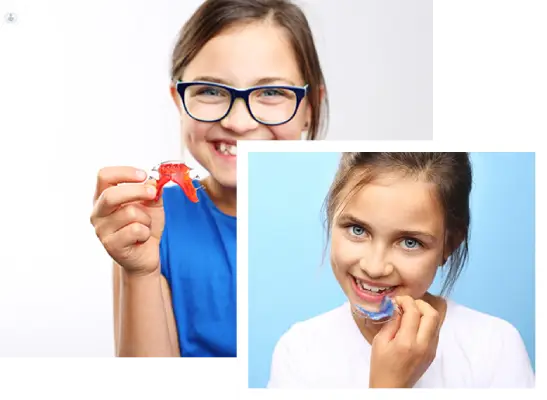
Early treatment can restore the normal shape and size of a child’s upper and lower jaws, create the necessary spaces for permanent teeth to erupt, and may prevent the need for permanent tooth extraction later on. It also reduces the likelihood of injury to permanent teeth if they erupt abnormally, and helps eliminate thumb-sucking habits, which can cause malocclusion problems such as an open bite, a narrow upper jaw, crowding, and protrusion of the front teeth. Most importantly, it addresses jawbone problems such as a narrow upper jaw (also known as a reverse or crossbite bite) and cases of upper or lower jaw retrusion. It is crucial to address jaw growth problems at an early age so that we can take advantage of the child’s growth period and use it to stimulate jaw development. The first stage of treatment is usually started for children between the ages of 7 and 11.
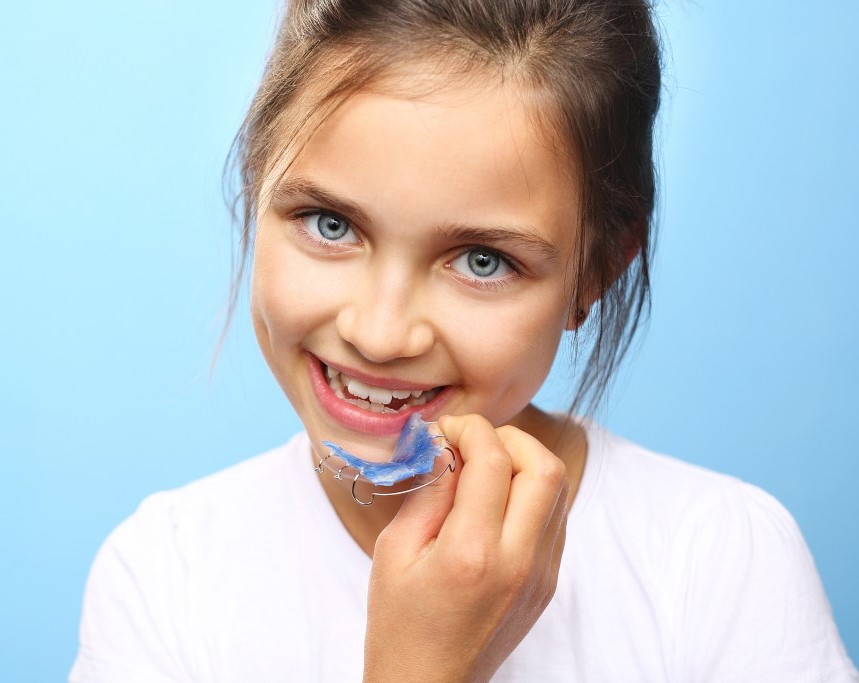
The primary goal of this stage of treatment is to correct significant jawbone problems, such as jaw growth and width, and to prevent these problems from worsening. As mentioned earlier, children respond best to these treatments during their growth phase. This allows us to influence the jaw and stimulate its proper growth using various appliances before the bones harden with age. This reduces the likelihood of permanent tooth extraction, allowing for future permanent tooth eruption, and corrects the relationship between the jaws, thus avoiding the need for surgery on the affected jaw after puberty. This, in turn, improves the child’s self-image. In other words, early jaw treatment makes the second stage of orthodontic treatment easier and simpler.